
Earl Bercovitch, DDS, offers same-day dental crowns in Beverly Hills using advanced CEREC technology. This guide explains how to choose a provider, verify credentials, understand costs, and navigate the single-visit process. It covers the specific local landscape, common pitfalls, and long-term outcomes for patients seeking immediate restorative care.
How to Choose a Provider
Selecting a dentist for same-day crowns requires looking beyond marketing claims. A high-quality provider prioritizes digital precision and material integrity. You should evaluate the specific technology used for milling the crown. Not all CAD/CAM systems are created equal, and the quality of the milling equipment directly impacts the fit and longevity of the restoration. For additional details, review the https drbbeverlyhills com.
Technology and Equipment
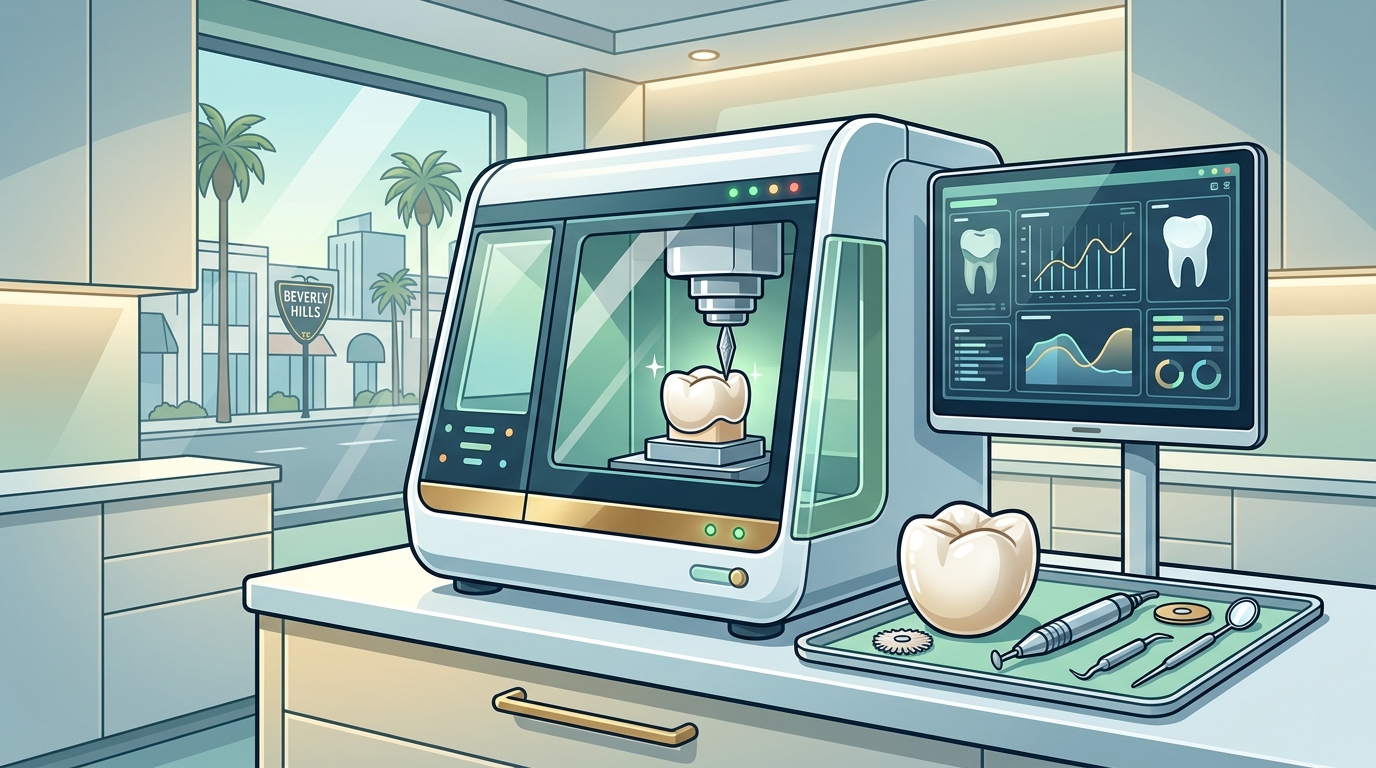
Look for practices that utilize in-office milling units. This allows the crown to be fabricated while you wait, eliminating the need for a temporary crown. At Earl Bercovitch, DDS, the use of CEREC technology ensures that the crown is designed digitally and milled from a single block of ceramic. This method reduces the margin of error compared to traditional lab work.
Experience and Volume
Experience matters significantly in digital dentistry. A provider with decades of experience, such as Dr. Bercovitch who has over 35 years in practice, brings a refined technique to the digital workflow. High volume of cases means the dentist is familiar with the nuances of different tooth shapes and bite dynamics. For additional details, review the https www drbbeverlyhills com.
Questions to Ask Before Committing
Before scheduling an appointment, ask specific questions to gauge the provider's expertise. These questions help you understand the limitations of the technology and the dentist's approach to your specific case.
- What brand of CAD/CAM system do you use?
- What materials are available for same-day crowns?
- How do you ensure the fit and bite are correct before bonding?
- What is the warranty or guarantee on the crown?
Verifying Credentials and Claims
Verify the dentist's board certification and experience. Check the American Dental Association (ADA) directory or state dental board records to confirm the license is active and in good standing. Additionally, look for specific training in digital dentistry. Many dentists take continuing education courses in CAD/CAM technology, and these certifications can be verified through the issuing organizations.
The Single-Visit Process
The same-day crown process is streamlined to fit within a single appointment, typically lasting one to two hours. The workflow involves digital scanning, design, milling, and placement.
Step 1: Preparation and Scanning
The dentist numbs the tooth and prepares it by removing a small amount of enamel. Instead of traditional rubber impressions, a digital scanner captures a 3D image of the tooth and surrounding area. This scan is sent to the computer for design.
Step 2: Design and Milling
The dentist designs the crown on the computer, adjusting the shape and color to match your natural teeth. Once approved, the design is sent to the milling machine, which carves the crown from a ceramic block. This process usually takes less than an hour.
Step 3: Placement and Bonding
Once the crown is milled, the dentist checks the fit and bite. After any necessary adjustments, the crown is permanently bonded to the tooth. You leave the office with a permanent restoration, no temporary crown required.
Cost Drivers and Budgeting
The cost of a same-day crown varies based on several factors. Material choice is a primary driver, with high-strength ceramics costing more than basic options. The complexity of the case also affects price; a crown for a molar may cost more than one for an incisor due to the higher forces involved.
| Factor | Impact on Cost | Notes |
|---|---|---|
| Tooth Location | Medium | Molars require stronger materials and more precise fit, potentially increasing cost. |
| Provider Experience | Medium | Highly experienced specialists may charge more but often provide superior outcomes. |
| Insurance Coverage | High | Most dental insurance plans cover a portion of crown costs, but deductibles and annual maximums apply. |
Common Mistakes to Avoid
Patients often make mistakes that compromise the outcome of their crown. One common error is skipping the consultation. Not every tooth is a candidate for a same-day crown. If the tooth has extensive decay or requires a root canal, the process may need to be staged over multiple visits.
Another mistake is neglecting oral hygiene. A crown protects the tooth, but the surrounding gums and remaining natural teeth still require care. Poor hygiene can lead to gum disease, which undermines the foundation of the crown.
Same-Day vs. Traditional Crowns
Traditional crowns require two visits and a temporary crown. The main advantage of same-day crowns is convenience and the elimination of the temporary restoration. However, traditional crowns may offer more material options in some cases. For most patients, the digital precision and single-visit convenience of same-day crowns make them the preferred choice.
Crowns for Specific Dental Cases
Patient Rights and Protections
Patients have the right to informed consent. The dentist must explain the procedure, risks, and alternatives before proceeding. You also have the right to review your X-rays and digital scans. Understanding these rights helps you make informed decisions about your care.
Beverly Hills Local Specifics
Beverly Hills is known for its high standard of dental care. The area attracts patients from across Los Angeles and internationally. Providers in this region often invest in the latest technology to meet the high expectations of their clientele. The competitive landscape means patients have access to a wide range of options, from general dentists to specialized cosmetic practices.
Timing and Urgency
Timing is critical when dealing with a damaged tooth. A cracked or broken tooth can become infected if left untreated. Same-day crowns allow for immediate protection, reducing the risk of further damage. If you are experiencing pain or sensitivity, scheduling an appointment promptly is essential.
Long-Term Results and Maintenance
With proper care, a same-day crown can last for many years. Regular dental check-ups are crucial to monitor the health of the crown and surrounding tissues. Brushing and flossing daily, just as you would with natural teeth, ensures the longevity of the restoration. At Earl Bercovitch, DDS, patients are encouraged to maintain routine care to preserve their results.
Key Takeaways
- Same-day crowns use CAD/CAM technology to create a permanent restoration in one visit.
- Choose a provider with experience in digital dentistry and a track record of successful outcomes.
- Verify the dentist's credentials and the specific technology used.
- The process involves digital scanning, design, milling, and bonding.
- Cost depends on material, tooth location, and provider experience.
- Avoid skipping the consultation; not every tooth is a candidate for a same-day crown.
- Maintain good oral hygiene to ensure the longevity of your crown.
Frequently Asked Questions
How long does a same-day crown take?
A same-day crown typically takes one to two hours to complete. The exact time depends on the complexity of the case and the specific technology used.
Is a same-day crown as strong as a traditional crown?
Yes, modern ceramic materials used in same-day crowns are highly durable and can withstand normal chewing forces. They are designed to last for many years with proper care.
Do I need a temporary crown?
No, one of the main advantages of same-day crowns is that they eliminate the need for a temporary crown. You leave the office with a permanent restoration.
Can I get a same-day crown after a root canal?
Yes, in many cases, a same-day crown can be placed in the same visit as a root canal. This provides immediate protection for the treated tooth.
What materials are used for same-day crowns?
How much does a same-day crown cost?
The cost varies based on several factors, including material, tooth location, and provider experience. Most dental insurance plans cover a portion of the cost.