

Earl Bercovitch, DDS, is a premier destination for porcelain veneers in Beverly Hills. With over 35 years of experience, the practice specializes in advanced cosmetic dentistry and personalized smile design. This guide covers the technical aspects of porcelain veneers, the science of smile design, the role of digital mock-ups, and the importance of ceramic laboratories in achieving natural, long-lasting results. For additional details, review the drbbeverlyhills com.
Porcelain Veneers: The Gold Standard
Porcelain veneers are thin, custom-made shells of dental ceramic that are bonded to the front of teeth to improve their appearance. They are the most common material used in cosmetic dentistry due to their durability and aesthetic versatility. At Earl Bercovitch, DDS, the focus is on using high-quality porcelain to create restorations that mimic the translucency and luster of natural enamel.
Material Properties and Durability
Porcelain is a biocompatible material that resists staining better than composite resins. It can withstand the daily forces of chewing and grinding when properly bonded. The practice utilizes advanced bonding techniques to ensure the veneers remain secure for many years. Patients often choose porcelain for its ability to withstand the rigors of daily life without losing its aesthetic appeal. For additional details, review the Customer Experience.
Indications for Veneer Placement
Smile Design: Art Meets Science
Smile design is the process of planning and creating a smile that is harmonious with the patient's facial features and personality. It involves analyzing the proportions of the teeth, gums, and lips to achieve a balanced aesthetic. Dr. Bercovitch applies over three decades of clinical expertise to tailor each smile to the individual patient's unique anatomy. For additional details, review the Frequently Asked Questions.
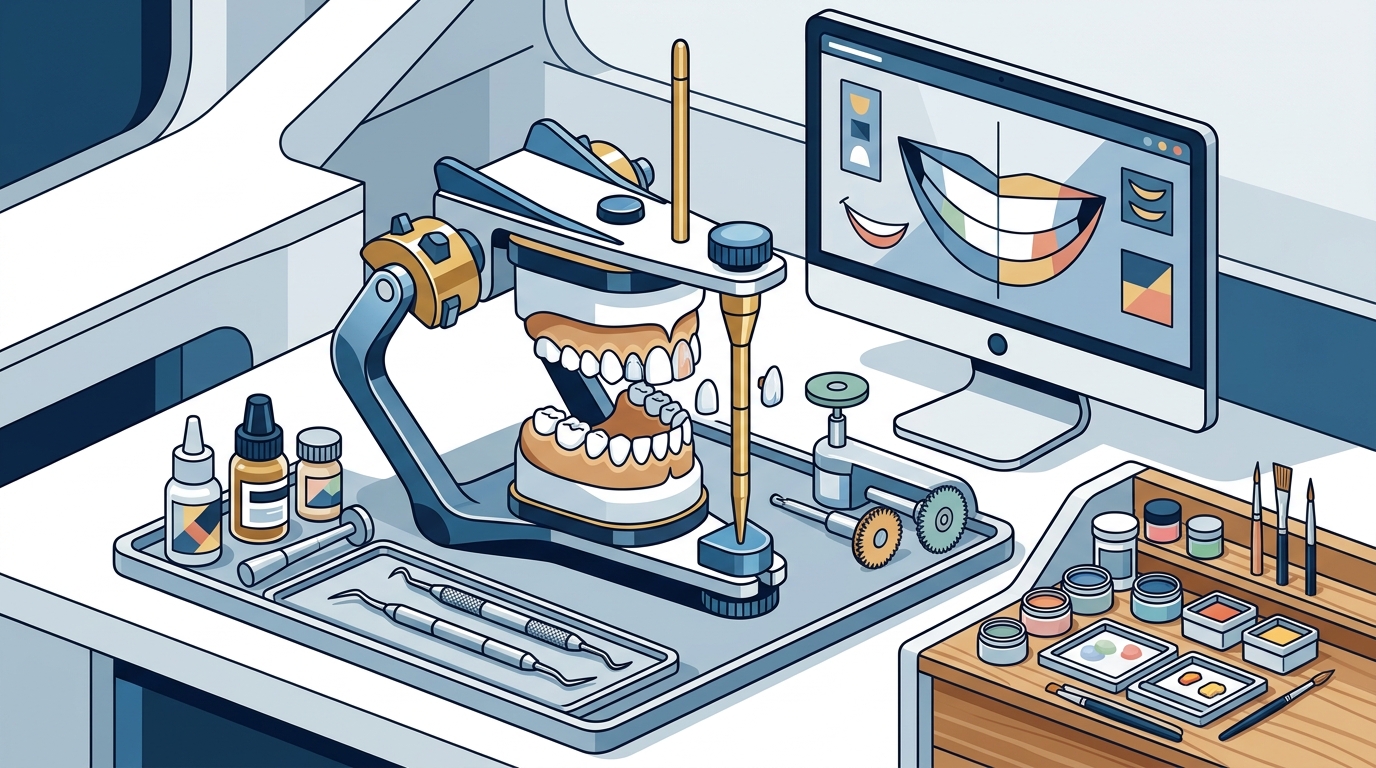
Facial Proportions and Aesthetics
The width and length of the teeth must align with the patient's facial structure. A smile that looks good in a mirror may not look natural in a photograph or in person. The dentist considers the midline, the curve of the smile, and the gum line to create a cohesive look. This holistic approach ensures that the veneers enhance the patient's natural beauty rather than looking artificial.
Personalized Treatment Planning
Every patient has different goals and expectations for their smile. Some desire a subtle enhancement, while others seek a dramatic transformation. The practice works closely with patients to define these goals and develop a treatment plan that meets them. This collaborative process builds trust and ensures patient satisfaction with the final outcome.
Digital Mock-Ups: Visualizing Your New Smile
Digital mock-ups are virtual previews of the proposed smile design that allow patients to see the potential results before treatment begins. They are created using digital photography and software to simulate the placement of veneers. This technology reduces uncertainty and helps patients make informed decisions about their cosmetic dentistry.
The Role of Digital Imaging
High-resolution digital cameras capture detailed images of the patient's current smile. These images are then manipulated in software to show the proposed changes. The patient can review the mock-up and provide feedback on the shape, size, and color of the teeth. This iterative process ensures that the final design aligns with the patient's vision.
Communication Between Patient and Dentist
Digital mock-ups serve as a communication tool between the patient and the dental team. They help bridge the gap between the patient's expectations and the dentist's clinical judgment. By seeing a realistic preview, patients can feel more confident in the treatment plan. This transparency is a key component of the patient-centered care provided at the practice.
Ceramic Laboratories: Precision Manufacturing
Ceramic laboratories are specialized facilities where custom dental restorations, including veneers, are fabricated. They use advanced technology and skilled technicians to create restorations that match the patient's natural teeth in color and texture. The quality of the laboratory work is critical to the success of the veneer treatment.
Technology and Craftsmanship
Modern ceramic labs utilize CAD/CAM technology to design and mill veneers with high precision. This technology allows for consistent thickness and fit, which is essential for a comfortable and durable restoration. Skilled technicians also hand-finish the veneers to add subtle details that mimic natural enamel. The combination of technology and craftsmanship results in high-quality restorations.
Collaboration with the Dental Practice
The dental practice works closely with the ceramic laboratory to ensure that the restorations meet the specific requirements of the treatment plan. This collaboration involves sharing digital files, shade guides, and clinical notes. The dentist reviews the restorations before placing them to ensure they meet the highest standards of quality. This partnership is essential for achieving a successful and long-lasting result.
Comparison of Veneer Materials
| Material | Durability | Stain Resistance | Aesthetic Quality | Typical Use |
|---|---|---|---|---|
| Porcelain | High | Excellent | Superior | Front teeth, full smile |
| Composite | Moderate | Moderate | Good | Minor chips, gaps |
| E-max | High | Excellent | Superior | High-aesthetic cases |
Key Takeaways
- Porcelain veneers are the gold standard for cosmetic dentistry due to their durability and aesthetic quality.
- Smile design is a holistic process that considers facial proportions and patient goals.
- Digital mock-ups allow patients to visualize their new smile before treatment begins.
- Ceramic laboratories play a crucial role in the precision manufacturing of custom veneers.
- Collaboration between the dentist and the laboratory is essential for a successful outcome.
- The practice is located in Beverly Hills and serves patients from across the Los Angeles area.
- Personalized care and a luxurious office environment are key features of the practice.
Frequently Asked Questions
How long do porcelain veneers last?
Porcelain veneers can last 10 to 20 years or more with proper care. Regular dental check-ups and good oral hygiene are essential for maintaining their longevity.
Are veneers permanent?
Veneers are a permanent restoration once bonded to the tooth. However, they may need to be replaced after many years due to wear or damage.
Does getting veneers hurt?
The procedure is typically painless due to the use of local anesthesia. Some patients may experience mild sensitivity after the procedure, but this usually subsides quickly.
Can veneers be whitened?
Porcelain veneers cannot be whitened with traditional teeth whitening products. The color is determined at the time of fabrication, so it is important to choose the right shade initially.
How much do veneers cost in Beverly Hills?
The cost of veneers varies depending on the number of teeth treated and the specific materials used. For a personalized quote, please contact the practice directly.
Who is a good candidate for veneers?
Good candidates for veneers have healthy teeth and gums and are looking to improve the appearance of their smile. A consultation with the dentist will determine if veneers are the right treatment for you.