

Porcelain Veneers: Essential Facts Before You Book Your Appointment
Porcelain veneers are thin, custom-made shells bonded to the front of your teeth to improve their appearance. Before getting them done, you must understand that the procedure is permanent, requires enamel removal, and demands strict oral hygiene. At Earl Bercovitch, DDS, we guide Beverly Hills patients through every step of this cosmetic journey to ensure realistic expectations and lasting results.
What Are Porcelain Veneers?
Porcelain veneers are a cosmetic dental solution designed to mask chips, gaps, and discoloration. Unlike composite resin veneers, porcelain is a ceramic material that mimics the light-reflecting properties of natural enamel. This material is highly durable and resistant to staining, making it the gold standard for smile makeovers. Dr. Bercovitch uses advanced digital scanning technology to design these shells with precision, ensuring they fit comfortably and look natural. For additional details, review the Home Earl Bercovitch DDS.
The Permanent Nature of Veneers
One of the most critical facts to know is that veneers are irreversible. To create space for the shell, a dentist must remove a small amount of tooth enamel, typically between 0.3 and 0.7 millimeters. Once this enamel is gone, it does not grow back. This means you will likely need to replace your veneers every 10 to 15 years. Understanding this permanence helps you decide if you are ready for a long-term commitment to your smile. For additional details, review the Invisalign Clear Aligners Earl.
Candidate Eligibility and Oral Health
Not every patient is an ideal candidate for porcelain veneers. Your teeth must be structurally sound and free of active decay or severe gum disease. If you have a history of bruxism, or teeth grinding, you may need a custom night guard to protect your new investment. Dr. Bercovitch evaluates your overall oral health during the initial consultation to determine if veneers are the right choice or if other treatments, such as dental crowns, are more appropriate. For additional details, review the .
The Treatment Timeline and Process
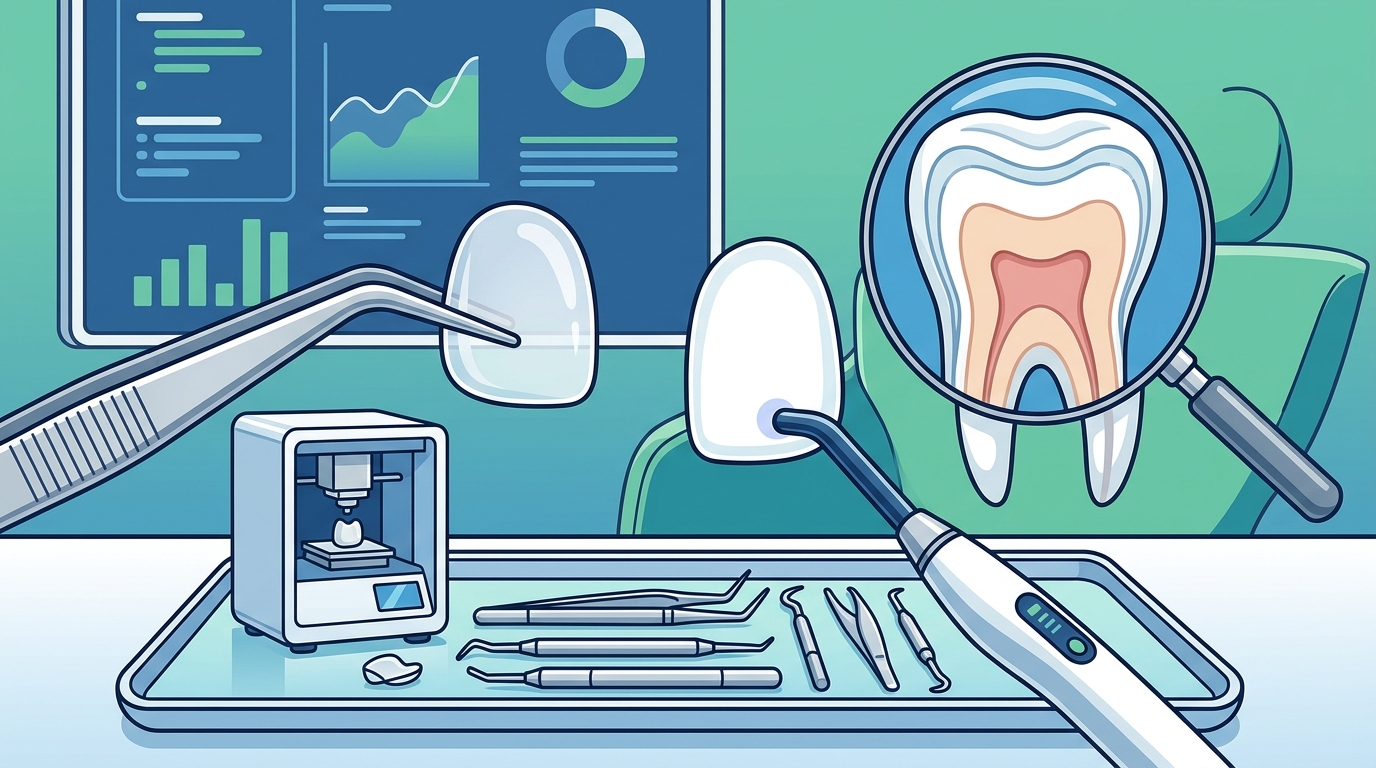
The veneer process typically spans two to three appointments over a period of four to six weeks. During the first visit, your dentist takes impressions and orders custom shells from a dental laboratory. You will wear temporary veneers during this waiting period. At the second visit, the permanent porcelain shells are bonded to your teeth using a special adhesive and curing light. This streamlined process allows you to return to your daily routine with minimal disruption. For additional details, review the Customer Experience.
Maintenance and Long-Term Care
Caring for your veneers is similar to caring for natural teeth, but with added caution. You should avoid using your teeth as tools to open packages or bite into hard objects like ice or nuts. Regular brushing, flossing, and professional cleanings are essential to maintain the health of the underlying tooth structure. Patients who maintain excellent oral hygiene often enjoy the aesthetic benefits of their veneers for over a decade without complications.
Key Takeaways
- Porcelain veneers are a permanent cosmetic solution that requires enamel removal.
- The material is highly stain-resistant and mimics the natural look of teeth.
- Active gum disease or severe tooth decay must be treated before placement.
- The process usually takes four to six weeks from start to finish.
- Regular dental checkups are vital to monitor the health of the bonded veneers.
- Bruxism patients may require a protective night guard to prevent damage.
Frequently Asked Questions
How long do porcelain veneers last?
With proper care, porcelain veneers typically last between 10 and 15 years. Factors such as diet, oral hygiene habits, and whether you grind your teeth can influence their longevity.
Do porcelain veneers hurt?
The procedure is generally painless because local anesthesia is used to numb the area. Some patients experience mild sensitivity for a few days after the bonding process, but this usually subsides quickly.
Can I eat normally with veneers?
You can eat most foods, but you should avoid extremely hard items like ice, hard candy, or unshelled nuts. These can chip or crack the porcelain shell.
How much do porcelain veneers cost?
Costs vary based on the number of teeth treated and the specific laboratory used. During your consultation at Earl Bercovitch, DDS, we provide a detailed estimate tailored to your specific needs.
Are veneers better than whitening?
Whitening is a non-invasive option for discoloration, while veneers address shape, size, and alignment issues. If your teeth are severely discolored or misshapen, veneers often provide a more dramatic and permanent improvement.