

Single Implant Cost Breakdown
The Implant Fixture
The Abutment and Crown
Additional Procedures and Their Costs
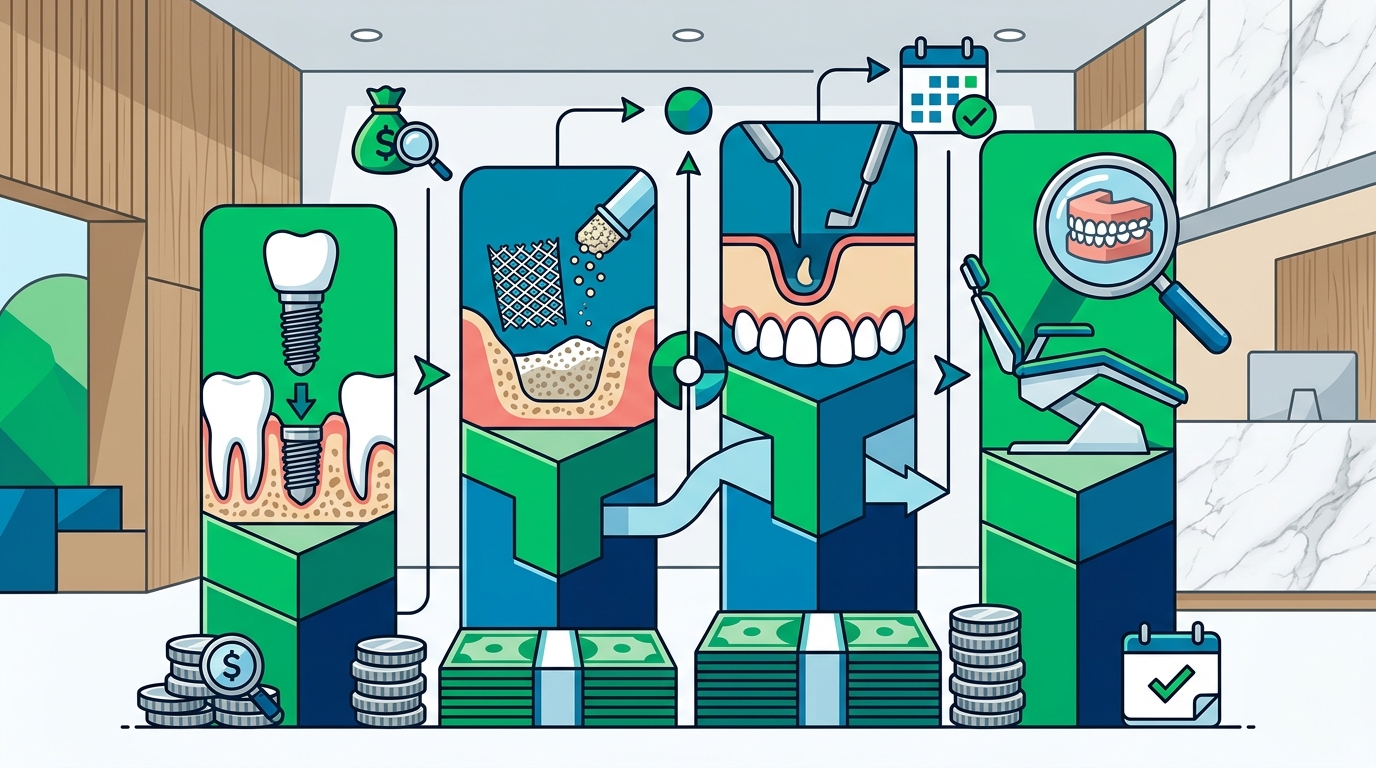
Not every patient is a candidate for a standard implant placement on the first visit. Some individuals require preparatory work to ensure the long-term success of the implant. These additional procedures can significantly impact the final bill. It is essential to discuss these needs during your initial consultation to avoid unexpected costs later in the treatment process. For additional details, review the Home Earl Bercovitch DDS.
Bone Grafting
Tooth Extraction
Diagnostic Imaging
Insurance and Financing Options
Navigating the financial side of dental implants can be confusing. In the United States, public insurance does not cover dental implants, and depending on the dental plan, private insurance may cover only part of the total cost, as noted in recent studies on dental implant trends. Most dental insurance plans treat implants as a cosmetic procedure, meaning they may not cover them at all. However, some plans may cover the crown portion if the tooth was lost due to an accident or injury rather than decay. For additional details, review the Gum Lift.
Understanding Coverage Limits
Financing and Payment Plans
Key Takeaways
- The cost is divided into three main parts: the implant fixture, the abutment, and the custom crown. For additional details, review the Testimonials.
- Most dental insurance plans do not cover the full cost of implants, though some may cover the crown. For additional details, review the Privacy Policy Earl Bercovitch.
- Financing options are widely available to help spread the cost over time. For additional details, review the .
- The expertise of the provider and the quality of materials used significantly influence the final price.
- Investing in a high-quality implant from an experienced provider ensures long-term success and value.
Frequently Asked Questions
How long do dental implants last?
With proper care, dental implants can last a lifetime. The titanium fixture integrates with the bone and is designed to be permanent. The crown, however, may need to be replaced after 10 to 15 years due to normal wear and tear. Regular dental check-ups and good oral hygiene are essential for maintaining the longevity of your implant.
Does insurance cover dental implants?
Coverage varies by plan. Most private insurance plans do not cover the implant fixture or abutment, as they are considered cosmetic. However, some plans may cover the crown if the tooth was lost due to an accident. Public insurance like Medicare generally does not cover routine dental implants. You should verify your specific benefits with your insurance provider.
What is the difference between an implant and a bridge?
An implant is a standalone replacement that does not require altering adjacent teeth. A bridge, on the other hand, uses the neighboring teeth as anchors to support the replacement tooth. Implants are generally more durable and preserve more of your natural tooth structure, but they are also more expensive upfront.
How long does the implant process take?
The entire process typically takes three to six months. This includes the initial consultation, any necessary preparatory procedures like bone grafting, the implant placement surgery, and the healing period. The final crown is placed after the implant has fully integrated with the bone.
Is the implant surgery painful?
Most patients report minimal discomfort during and after the procedure. The surgery is performed under local anesthesia, and many patients opt for sedation dentistry for added comfort. Post-operative pain is usually manageable with over-the-counter pain relievers and subsides within a few days.